
COVID-19 Impact, Strategy and Response in the Technology Sector
International SOS' Benchmarking Survey Analysis
Share it:


STUDY HIGHLIGHTS
Executive Summary
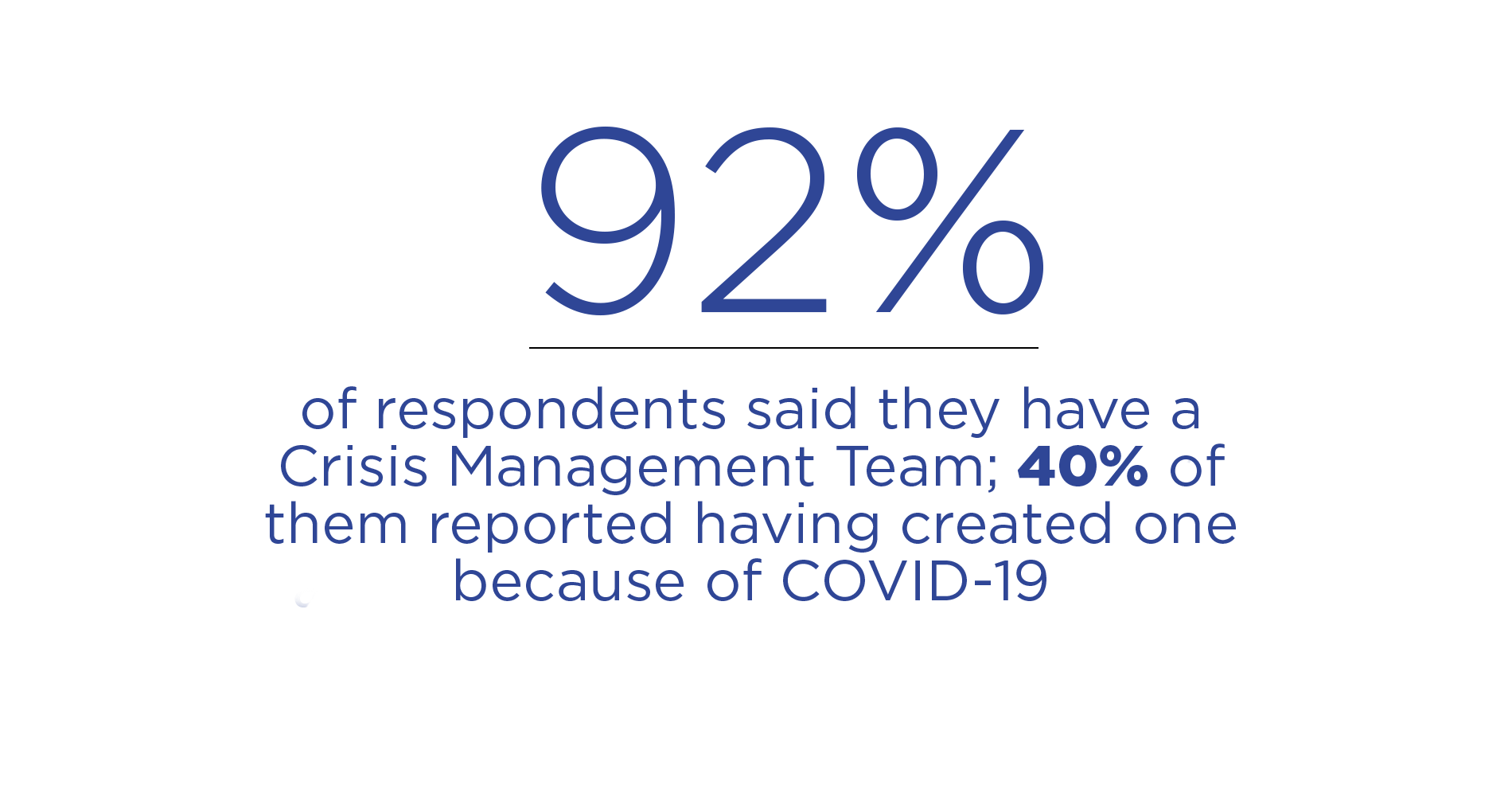
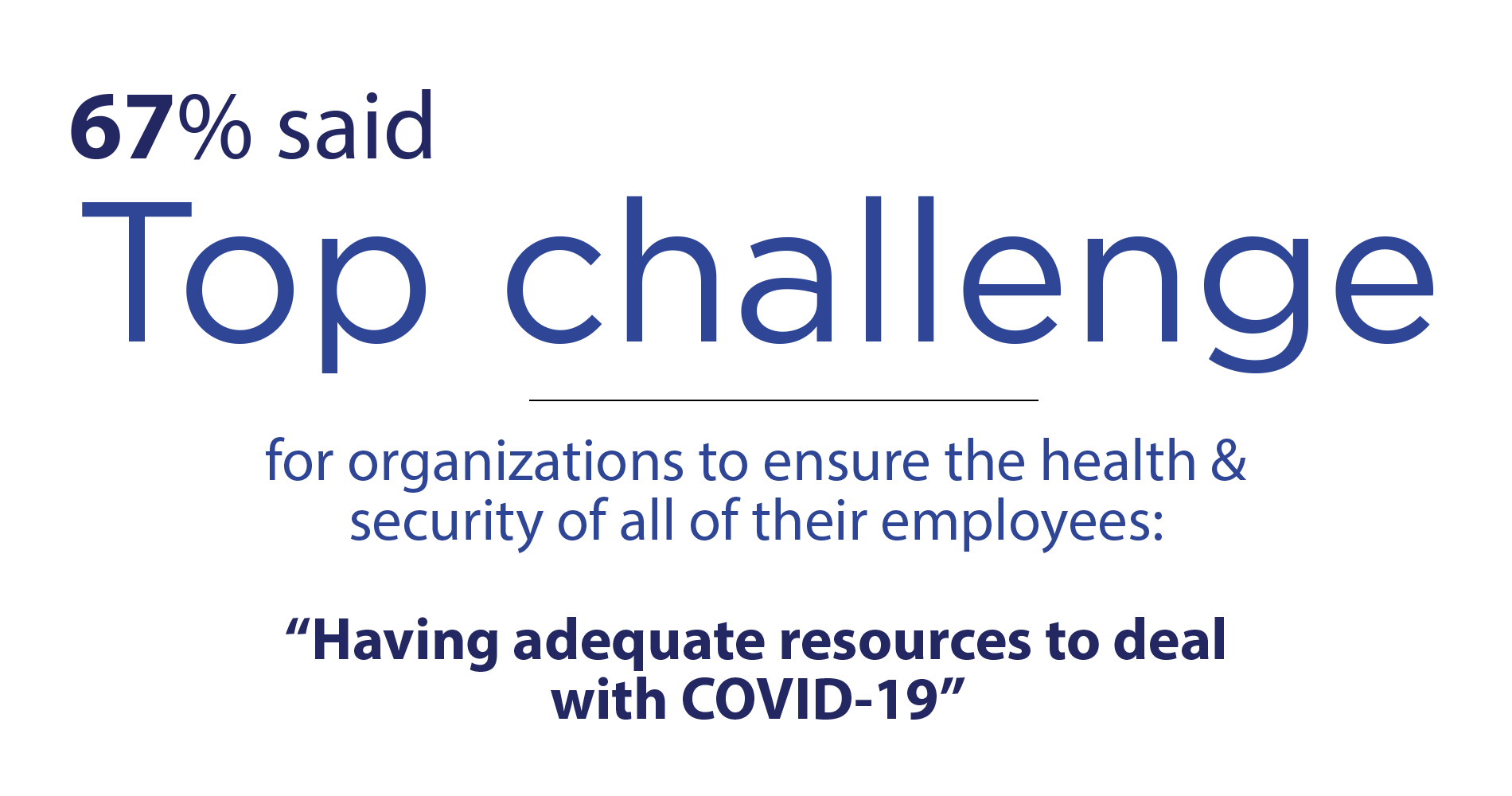
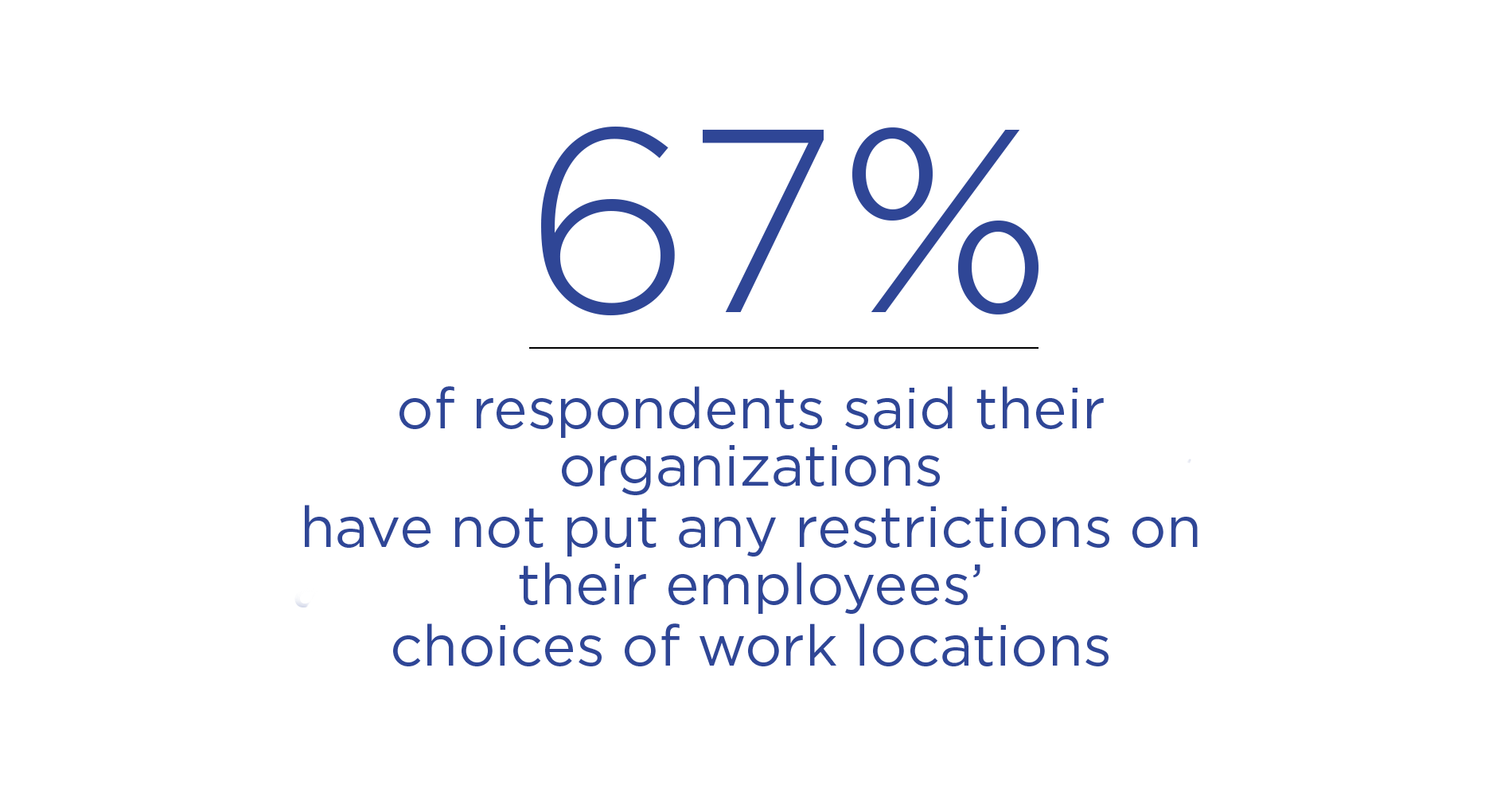
International SOS' COVID-19: Impact, strategy and response in the Technology sector, aims at understanding how US-based technology organizations are managing the COVID-19 pandemic crisis, the approach taken toward creating or upgrading their Crisis Management Team, the challenges faced by such teams, the measures put in place to allow domestic and international business travel, the new security challenges associated with distributed workers and the overall actions taken by these organizations to manage the crisis.
Foreword from German Castro, Regional Security Manager, West US, International SOS
With 40% of Technology companies having created a Crisis Management Team during the pandemic, and 1 in 2 planning to make it a permanent addition, there is a clear shift in the perception and management of risk for the rest of the year and beyond. The main two key drivers are exposure and the continuously evolving knock-on effects of the pandemic. Firstly, even though travel has never really stopped for at least 50% of technology companies, most risk/security managers are certainly expecting a gradual increase in travel throughout 2022 - both domestic and international (in the last quarter of 20/21 alone, domestic travel has increased by 75% QoQ). This translates into increased exposure; so rather than just a handful of travelers/employees being exposed to a limited number of risk environments, companies have a significant amount of staff of different profiles and backgrounds, traveling through a wide range of different environments with varying levels of risk.
As a result, there is a greater likelihood that an individual might run into trouble and thus have to alter plans, postpone a trip or seek assistance. This will be particularly difficult to manage since risk/security teams will definitely not grow at the same rate that travel populations do, so inevitably companies will have resourcing constraints within the teams that are looking after travelers.
The second driver is the recognition of the profound impact that the pandemic has had on the world's economies, particularly in the developing world. As vaccine roll outs progress slowly, issues like increasing unemployment, the cost of basic goods, and lack of access to financial relief among others, will continue to worsen and thus re-shape the security landscape. We've already seen increasing levels of criminality, frequent widespread unrest and broad political instability emerge in many geographies as a direct result of the pandemic's economic impact. The data showcased in this study shows the lack of optimism from risk/security managers that this current trajectory will be corrected in the next 12 months. As such, travelers in 2022 will be going out into a very different world than the one we knew in 2019, and that will bring an additional set of challenges as well as necessary preparatory actions for risk/security managers.
Foreword from Dr Myles Druckman, Vice-President Medical Services, International SOS
Crisis managers considered infectious disease the greatest threat to employee productivity now and into the future. Managers have been dumfounded by the complexity, intensity and duration of a pandemic. Even when employees remain healthy, the stresses of protecting themselves, their families and colleagues is an ongoing challenge. While pandemics were barely on the radar prior to COVID-19, the paradigm has changed. With global warming all types of infectious diseases - including mosquito-borne diseases like malaria, dengue and zika - are now solidly on the radar and plans are being made for the inevitable next big thing.
Going forward, there is a lot of work to do and a lot of resources required for Crisis Managers to respond effectively to threats and challenges. Subject matter expertise is required not only for the dynamic health and security information and local knowledge but the ability to take that complex data and communicate it effectively
Explore further
What our members are saying

Delta Level Resilience: Live Tech Sector Roundtable with Dell & International SOS
A recent poll of 169 revealed that the greatest challenge for 2/3 of tech companies is getting accurate and timely information – and the delta variant has further changed the game.
Listen to Dell Technologies and International SOS subject matter experts for a live roundtable as they share their experiences, benchmarks, and best practices on return-to-travel, return-to-office and keeping their workforce resilient.

Technology Sector Roundtable: COVID-19 Health & Security Lessons Learned
COVID-19 has forced organizations to re-think the way they manage the health and safety of their workforce. Watch our guest panelists from Facebook and Salesforce discuss the unique challenges and how they have worked to remain productive and safe.

How Cisco is Leading Their Way Out of the Pandemic
Exclusive virtual roundtable with the people who are defining and leading Cisco’s path out of the pandemic.
Cisco’s Pandemic Planning Team have protected their 144,000-strong workforce throughout – bringing together a holistic approach to employee support. Despite a backdrop of dramatically changing health, wellbeing, safety and security needs.
SPEAK WITH A RISK EXPERT TODAY TO DETERMINE HOW WE CAN BEST SUPPORT YOUR ORGANIZATION
© 2022 International SOS
AEA International Holdings, Pte. Ltd and each of its affiliates are legally separate and independent entities